Next-Generation Landfill Methane Monitoring:
A Multi-Scale Approach to measuring for Evaluating and Financing Interventions

“We are revolutionizing global MSW landfill monitoring through the multi-scale approach that spans from ground to space. By combining operational excellence with reliable data, we create environmental sustainability for the future”
Research Vision
-
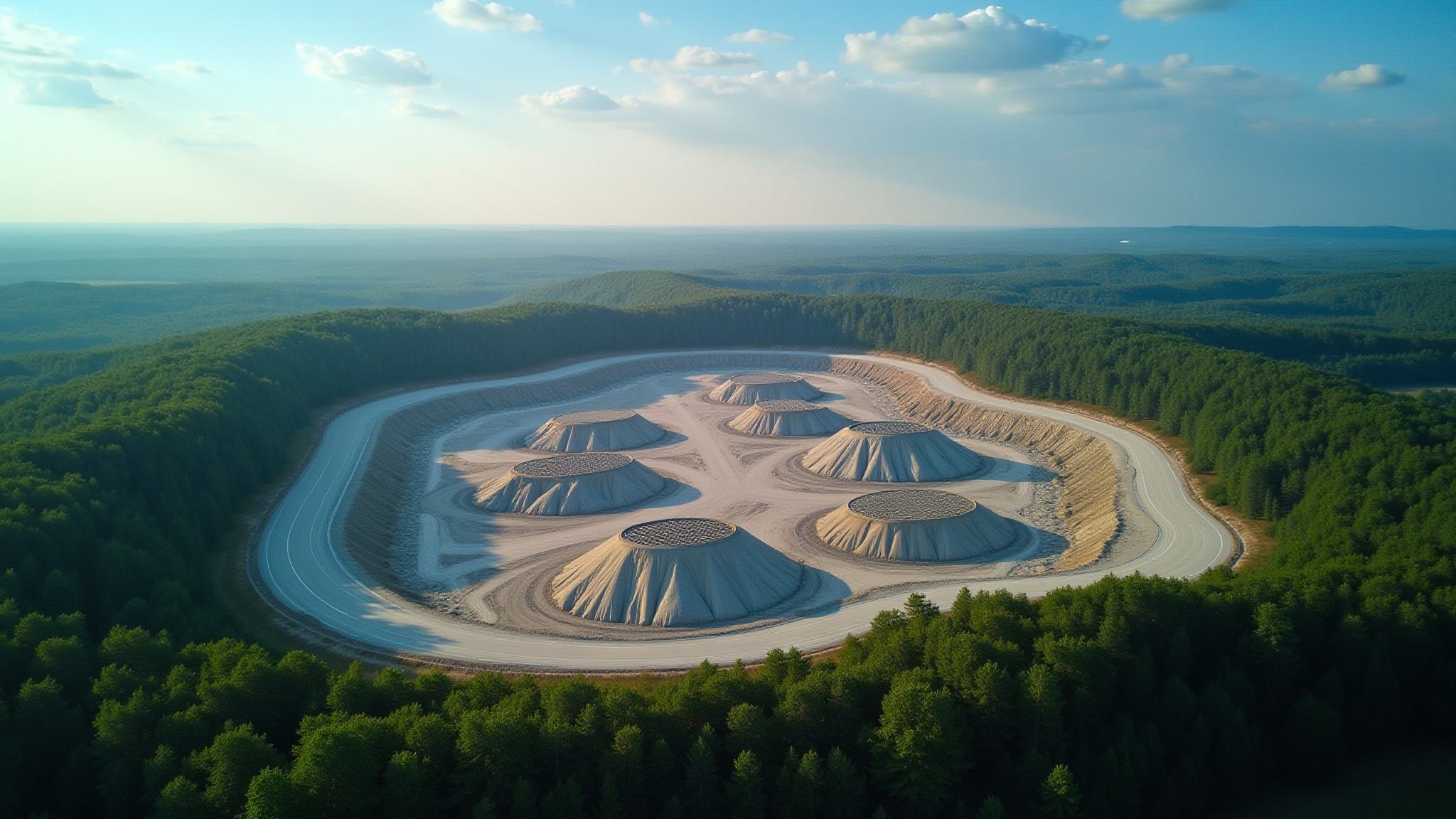
Our vision is to transform how methane emissions from municipal solid waste (MSW) landfills are monitored and mitigated. We aim to develop an integrated, multi-scale monitoring framework that combines advanced sensing technologies, including flux chambers, unmanned aerial vehicles (UAVs), terrestrial robotic platforms, aircraft-based sensors, and satellite observations, to enable continuous and cost-effective air monitoring of landfill sites.
-
By integrating data from these complementary platforms, our approach provides comprehensive spatial and temporal coverage of methane emissions. This multi-sensor strategy allows landfill operators and regulators to identify emission hotspots, quantify emission rates with greater confidence, and track the effectiveness of mitigation interventions.
-
Ultimately, our research seeks to establish robust methodologies for landfill methane monitoring that support regulatory compliance, improve environmental transparency, and enable the development of standardized emission-reduction quantification protocols. Such frameworks can help create financial incentives for methane mitigation, attract private sector investment, and accelerate the adoption of sustainable landfill management practices.
-
Through these efforts, we aim to advance climate-relevant monitoring technologies and contribute to global strategies for reducing greenhouse gas emissions.
Team
"Bridging High-Tech Remote Sensing with Ground-Level Climate Action"
We integrate satellite data analytics, drone surveying, and autonomous robotics to illuminate the blind spots of the climate crisis. By pushing the boundaries of remote sensing technology, we track the invisible methane emissions rising from waste landfills. Our team of leading experts is dedicated to designing a sustainable future through data-driven precision.


Leading Researcher and QA Manager
Youngseok Jo
Affiliation: University of California, Berkeley


Landfill Sites

Figure. 1. Landfill sites; a) Western Placer landfill; b) Kiefer landfill; c) ReGen Monterey landfill
Funding
-
Next-Generation Landfill Monitoring: A Multi-Scale Approach to Measuring Emissions for Evaluating and Financing Interventions (EPA-G2023-STAR-B1) funded by U.S. Environmental Protection Agency

Technologies
Multi-Scale Approach

Carbon Mapper Satellite and Aircraft


UAV Multi-Sensing System
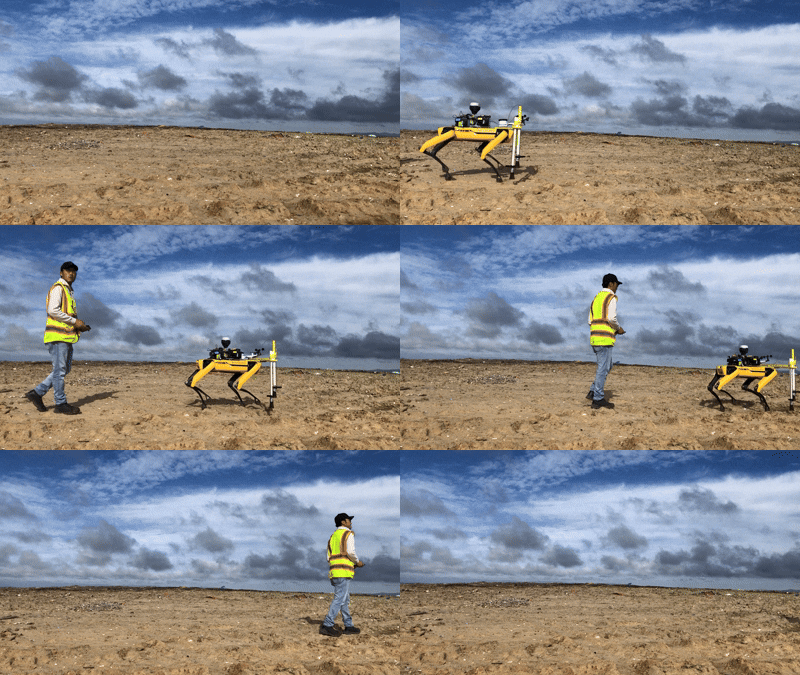
Terrestrial Robot equipped with TDL sensors

Autonomous Flux Chamber System


Figure 1. Prototype of the autonomous flux chamber system (ReGen Monterey Landfill case); a) build-up of methane gas; b) evacuation of methane gas using mini air pumps
Real-time data projection from ReGen Monterey Landfill transmitted to an IoT server
Research Activities


Work & Outcomes
Explore Our Work
We publish comprehensive reports and articles on our findings, methodologies, and innovations in landfill monitoring, striving to contribute meaningfully to climate science.
Reports
Our Findings
Our reports analyze data from various case studies, providing actionable insights into methane emissions and their mitigation, enhancing environmental strategies across regions.
Articles
Informed Perspectives
We share articles that reflect advancements in landfill monitoring technology and theoretical frameworks, aimed at inspiring community engagement and scientific dialogue.
Protocols
Helpful Resources
We offer guidelines based on our research outcomes, equipping stakeholders with best practices for effective landfill management and emissions reduction.
Datasets
Keep Updated
Stay informed about our latest projects, partnerships, and contributions to the field of environmental science through our regular news updates.